
1. Centrifugal Blowers:
- Thorough inspection of impeller, casing, and bearings for damage or wear.
- Precision balancing of impeller to ensure smooth operation.
- Replacement of worn or damaged bearings, seals, and gaskets.
- Cleaning and reconditioning of casing and inlet/outlet components.
- Performance testing to verify airflow and pressure specifications.
2. Axial Flow Blowers:
- Detailed examination of blades, hub, and housing for signs of erosion or damage.
- Repair or replacement of worn or damaged blades to restore optimal airflow.
- Cleaning and refurbishment of housing and inlet/outlet sections.
- Testing of blade pitch angles for optimal performance.
- Verification of airflow and pressure characteristics to meet specifications.
3. Positive Displacement Blowers:
- Comprehensive inspection of rotors, lobes, and housing for wear or damage.
- Rebuilding or replacement of worn or damaged rotors and lobes.
- Overhauling of bearing assemblies and seals.
- Cleaning and refurbishing of housing and inlet/outlet connections.
- Performance testing to ensure proper pressure and volumetric flow.
4. Regenerative Blowers:
- Thorough assessment of impeller, housing, and vanes for wear or damage.
- Rebuilding or replacement of worn or damaged impeller and vanes.
- Inspection and repair of bearing assemblies and seals.
- Cleaning and reconditioning of housing and inlet/outlet ports.
- Performance testing to verify airflow and pressure specifications.
5. Screw Blowers:
- Detailed examination of rotors, housing, and bearings for wear or damage.
- Rebuilding or replacement of worn or damaged rotors and housing.
- Overhauling of bearing assemblies and seals.
- Cleaning and reconditioning of housing and inlet/outlet connections.
- Performance testing to ensure proper pressure and volumetric flow.
5 Main Types of Industrial Blower and their Unique Applications
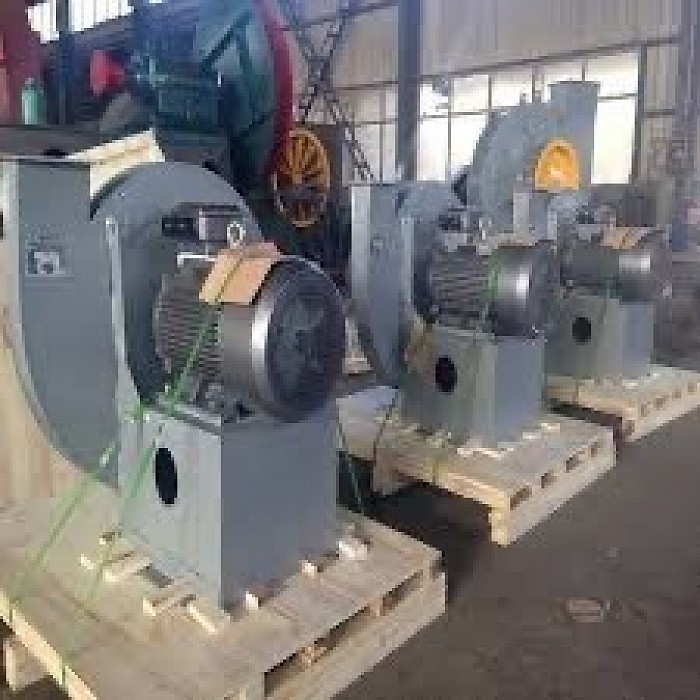
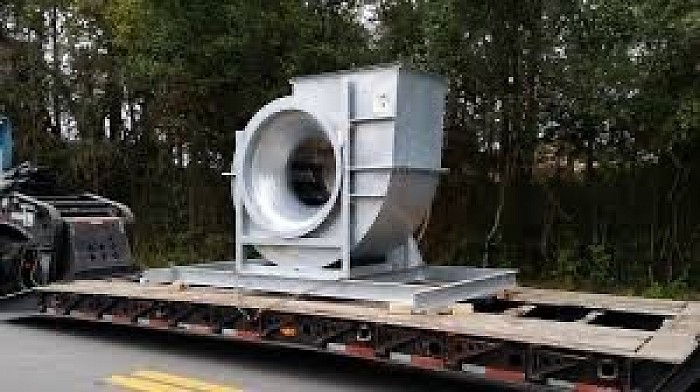
1. Centrifugal Blowers
Centrifugal blowers are equipped with high-speed impellers or blades in order to impart velocity to air or other gases. As such, they’re commonly utilized in ventilation systems as well as gas transportation.
Available in single and multi-stage units, centrifugal blowers have the ability to increase speed and volume based on the blade orientation (forward-curved, backward-curved, and radial). This can also be made possible by installing dampers, resizing sheaves, and using variable speed drives.
One particular type of centrifugal blower is a multi-stage centrifugal blower. Commonly utilized for circulating air, creating suction, and regulating air, it can handle both high-pressure and high-flow rates of gases. Industrial applications include gas meter testing, fish tank aeration, and even giving air to artificial lungs.
2. Positive Displacement Blowers
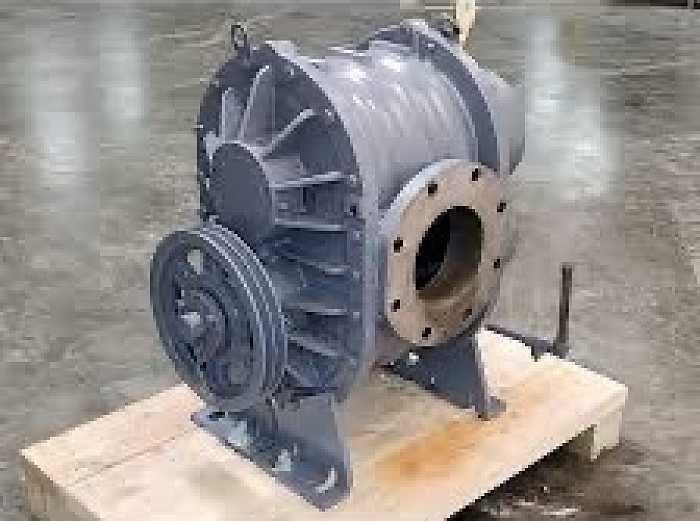
Positive displacement (PD) blowers utilize mechanical means to squeeze fluid thus, effectively increasing pressure and velocity.
Engineered with an expanding section on one side (where the gas enters) and a decreasing section on the other end (where the gas exits), this pneumatic equipment can trap and release the air. To put it simply, PD blowers are commonly utilized for transporting air and other neutral gases.
One common type of PD blower is the rotary lobe blower, or simply known as roots blower. Consisting of two rotors spinning in opposite directions, roots blower can produce a high volume of air which is extremely crucial for vacuum systems. However, this pneumatic equipment is not the best choice for applications that require high pressure as it can only supply low-pressure air.
Tip: While in full working capacity, roots blowers can let some air escape. As such, they are not the most energy-efficient blower option. They can also produce loud noises but these can be minimized through silencers.
3. Helical Screw Blowers
Like roots blowers, helical screw blowers have two lobes in the main rotor. The main difference is that these rotors turn in a helical pattern (hence the name) that is carefully timed to avoid contact with each other. This results in higher pressure capacity than rotary lobe blowers.
Helical screw blowers are much more energy-efficient, owing to its sealed design that allows smooth flow and limited air leakage. They can also perform more quietly.
Overall, helical screw blowers can provide quality and dependability throughout multiple applications.
4. High Speed Blowers
Engineered with impellers at each side of the shaft, high-speed blowers can effectively handle high-performance tasks and applications. They are utilized for pressure boosting, mobile vacuum waste removal, and many other industrial operations requiring high pressure and volume of air.
This specific type of industrial blower can reach pressure up to 25 psi and has a maximum flow rate of 15,000 m3/hour, truly making it one heavy-duty pneumatic equipment.
5. Regenerative Blowers
Regenerative blowers can create pressure through effective displacement of air molecules. They are designed with an impeller that spins to capture the air between every blade. When this impeller continues to spin for a period of time, it can push the air forward, allowing it to go back to the bottom of the blade.
As such, regenerative blowers are ideal for applications requiring a high volume of air at low-pressure rates. They are also easy-to-maintain due to the fact that they are oil-free and self-lubricated. This makes them vital in sensitive environments such as food manufacturing industries and hospital facilities.
Industrial blowers can provide consistent air compressions which ensures the efficient completion of different tasks. They come in 5 different types with their own unique applications for various industries.
——————————————————————————-
Blower Training: Common Failures and Repair Processes for 5 Main Types of Industrial Blowers
Introduction:Industrial blowers are essential equipment used in various industries for tasks such as ventilation, gas transportation, pressure boosting, and air compression. In this training, we will discuss the five main types of industrial blowers and their unique applications, as well as common failures and repair processes associated with each type.
1. Centrifugal Blowers:Centrifugal blowers are commonly used in ventilation systems and gas transportation. They utilize high-speed impellers or blades to impart velocity to air or gases. Common failures include blade wear, motor malfunctions, and bearing failures. Repair processes involve blade replacement, motor repair or replacement, and bearing replacement.
2. Positive Displacement Blowers:Positive displacement blowers, such as rotary lobe blowers, are used for transporting air and neutral gases. Failures in these blowers can include rotor wear, seal leaks, and motor issues. Repair processes typically involve rotor and seal replacement, as well as motor repair or replacement.
3. Helical Screw Blowers:Helical screw blowers have helical rotors that provide higher pressure capacity than rotary lobe blowers. Failures in helical screw blowers may involve rotor wear, oil leaks, and motor failures. Repair processes often include rotor replacement, oil seal replacement, and motor repair or replacement.
4. High-Speed Blowers:High-speed blowers are utilized for high-pressure applications and tasks requiring high volumes of air. Failures in these blowers can include impeller damage, motor issues, and seal leaks. Repair processes typically involve impeller replacement, motor repair or replacement, and seal replacement.
5. Regenerative Blowers:Regenerative blowers are known for their ability to provide a high volume of air at low-pressure rates. Failures in regenerative blowers may involve impeller wear, motor malfunctions, and air leakage. Repair processes often include impeller replacement, motor repair or replacement, and addressing air leakage issues.
Conclusion:Industrial blowers play a vital role in numerous industries, and understanding their unique applications and common failures is crucial for effective maintenance and repair. By identifying and addressing failures promptly, industries can ensure the efficient operation of their blowers, minimizing downtime and maximizing productivity. Regular maintenance and inspections are recommended to prevent failures and extend the lifespan of these essential pneumatic equipment.
